|
 Safe and Warm: What You Need To Know About Preventing Carbon Monoxide Poisoning Safe and Warm: What You Need To Know About Preventing Carbon Monoxide Poisoning
 Save to notebook Save to notebook
 Email article Email article
 Print article Print article
 More articles More articles
 By Mia Bolaris-Forget
It’s time to heat thing up, but, warn experts not before taking precautions against carbon monoxide (CO) poisoning and fires in your home.
The U.S. consumer Product Safety Commission along with the Centers for Disease Control and Prevention are encouraging individuals and families to get a professional evaluation of all fuel-burning heating systems including furnaces, boilers, fireplaces, wood stoves, water heaters, chimneys, flues, and vents.
In fact, they suggest that the best and only way to keep your family safe and warm is by scheduling a professional inspection annually and installing working CO alarms in your home.
Experts note that carbon monoxide is a silent killer and is colorless, odorless, and poisonous and that this gas kills about 500 U.S. residents yearly. But, they say these deaths are un-necessary and CAN be avoided if individuals took the problem seriously and practices simple procedures to protect themselves.
According to experts, heating systems are the number one cause of CO poisoning in the United States and add that gasoline-powered generators used during power outages are another source of CO poisoning.
The annual statistic of accidental CO exposure is about 15,00 American according to the CDC. Symptoms include dizziness, weakness, nausea, vomiting, chest pain and confusion. Extended exposure can result in loss of consciousness and death and those who are asleep or have a few drinks in them can die for carbon monoxide poising without noticing or experiencing any of the symptoms.
According to the CPSC, home heating equipment is the second leading cause of residential firs with cooking fires being the first. Portable heaters, including space heaters are also a primary cause of death in home heating equipment-related blazes. And the CPSC along with the CDC offers the following precautionary measures:
· Make sure your heating system, water heater, and any other gas, oil, or coal burning appliances are serviced and maintained by a qualified professional and reputable technician annually.
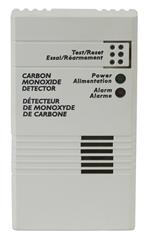
· Invest in and install battery-operated CO and smoke alarms in your home
· Place CO alarms outside the bedrooms in each separate sleeping areas
· Make sure your home has smoke alarms on every level and inside every bedroom.
· Replace smoke and CO alarm batteries when you change clocks twice a year and check batteries monthly.
· If your smoke alarm or CO alarm goes off, leave your house immediately and contact 911
· Get immediate medical attention if you have reason to believe you’ve been exposed to carbon monoxide and are feeling dizzy, lightheaded or nauseous.
· Make sure you have flues or chimneys inspected before each heating season for leakage and blockage for creosote or debris.
· Open the fireplace damper prior to light a fire and keep it open until the ashes are cool and never close the damper if the ashes are warm.
Long Island Safety Articles
>
Safe and Warm: What You Need To Know About Preventing Carbon Monoxide Poisoning
|